Is It Safe to Invest in Detroit, Michigan?
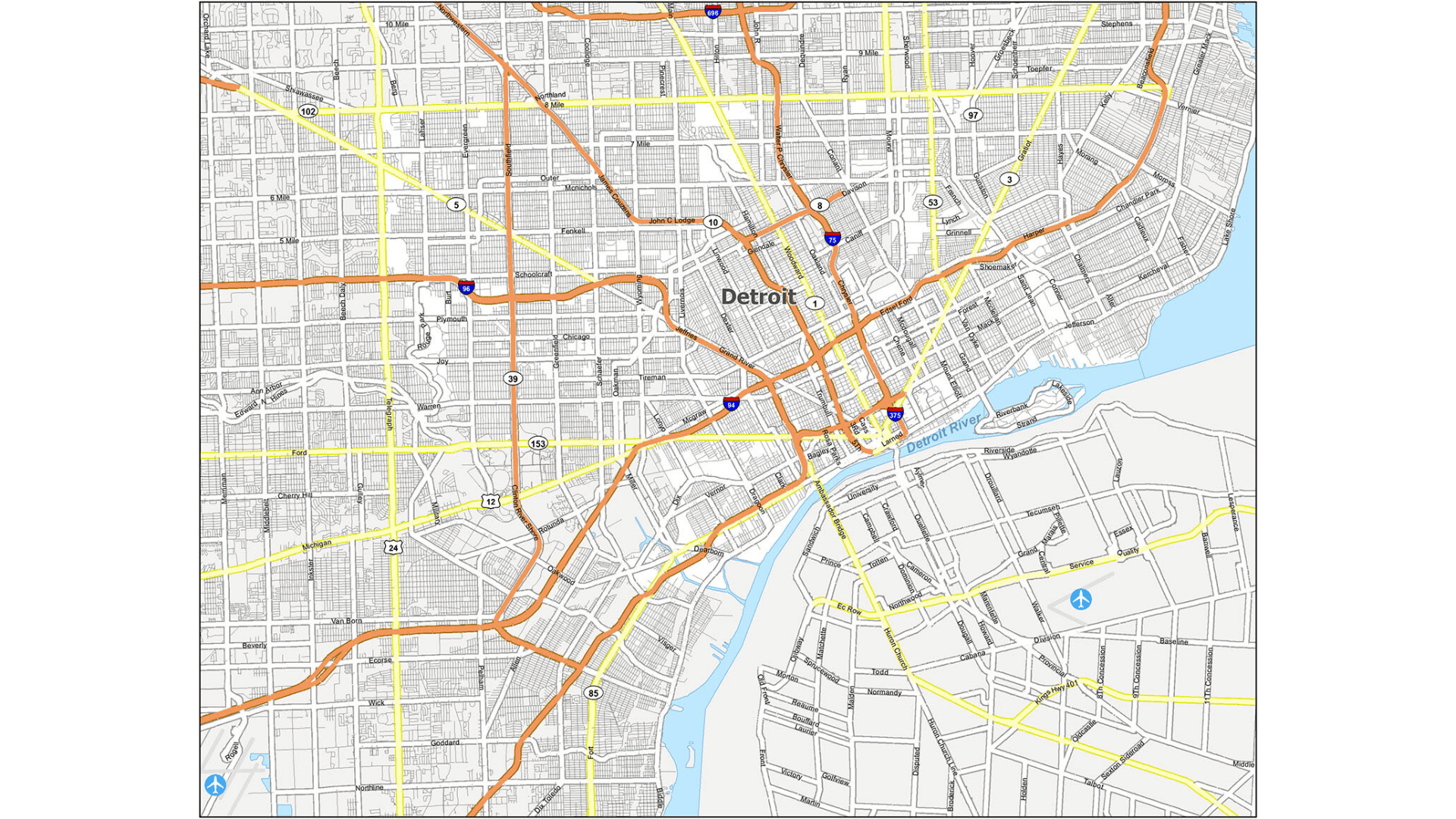
Detroit, Michigan
Detroit’s comeback is real — but it’s nuanced and worth understanding better than
The milestone that matters most: After 66 years of continuous population decline, Detroit recorded its first population growth in 2022–2023, adding around 2,000 new residents. (Concreit) That may sound modest, but symbolically and structurally it marks a genuine turning point.
Who is actually moving in: The headline figure is immigration. The Metro Detroit tri-county region accounted for over half of Michigan’s total population growth between 2023 and 2024, adding 30,648 residents — but the mechanics are interesting: the metro gained roughly 40,347 immigrants while simultaneously losing about 11,626 native-born residents, resulting in net population gain. (Viking Capital) It’s immigrant communities, particularly Hispanic and Asian American populations, who are physically repopulating neighborhoods, but ICE deportations and self deportations might be changing those numbers.
The real estate numbers are striking: Home values in the city jumped 19% in 2024 alone — the ninth straight year of rising prices — and Metro Detroit rents have surged around 50% since 2017, including a 55% jump for single-family rentals. (National Association of REALTORS) Yet despite that appreciation, the median sale price in Detroit is still nearing just $78,000 in 2025 (Concreit) — which is why it remains one of the lowest-cost entry points of any major American city, attracting investors from across the country.
Rental performance is turning heads nationally: Detroit’s effective rent growth of 3.4% in Q4 2024 ranked it second among the nation’s 50 largest apartment markets, trailing only San Jose — a remarkable position for a city once synonymous with urban blight. (Lynwisegroup) The reason is structural: unlike Sun Belt markets that flooded the zone with new supply, Detroit’s moderate construction pipeline has kept vacancy tight, providing a stable foundation for rental performance heading into 2025 and beyond. (Lynwisegroup)
The engines of recovery are the Ford-led $1 billion Michigan Central Station redevelopment in Corktown (now open and drawing tech tenants), EV manufacturing investment around the metro, and the University of Michigan’s expanding innovation campus — all creating the kind of job base that drives sustainable housing demand.
The honest caveat: Detroit’s recovery is concentrated. Downtown, Corktown, Midtown, and a handful of other neighborhoods are genuinely transformed. Large swaths of the outer city still carry the scars of decades of disinvestment — vacant lots, derelict housing, weak schools. Downtown Detroit had 705 new residential units under construction in 2025 and nearly 31 million visits during the year (Cushman & Wakefield) — but that energy hasn’t spread evenly across all 139 square miles.
For investors, the opportunity is real but requires neighborhood-level due diligence. The gap between a thriving block and a struggling one can be just a few streets in Detroit.
This article is a follow up to In our current economic scenario is investing in real estate still a safe thing to do? A conversation with Claude by Anthropic (AI) interviewed and edited by Cliff Hockley.
Clifford A. Hockley is Principal Broker at SVN | Bluestone, as well as the managing member of Cliff Hockley Real Estate Consulting, LLC. As a Certified Property Manager & Designated Managing Broker, Cliff has 42 years of experience in the brokerage and management of Real Estate companies. Bluestone and Hockley Real Estate Services managed condominium associations, multi-family, and commercial properties in the greater Portland area. He was focused on running the company and involved with investment property brokerage. He worked with financial institutions, governmental agencies, private investors, and not for profit organizations. He also has vast knowledge in budgeting, organizational management, and building structures. His previous experience includes over five years in accounting, production supervision for a manufacturing company, and work for state agencies in California.
Cliff grew Bluestone and Hockley Real Estate Services into a 100 employee company that managed over 2 billion dollars of real estate assets before he sold the company in 2021. He also supervised a sales team of over 15 real estate brokers for over 35 years. His monthly newsletter, QuickFacts has over 2,300 subscribers. He has been involved in numerous real estate transactions that include industrial, retail, office, and multifamily properties. Cliff has also written a book called “Successful Real Estate Investing; Invest Wisely, Avoid Costly Mistakes and Make Money” published by Morgan James Publishing in 2019.
Cliff has successfully coached real estate investors and CEOs located throughout the United States since 2015. He has acted as a sounding board to help untangle knotty issues that need an experienced outside opinion. He guides leaders who find it is “lonely at the top” and need an experienced hand to help set a strategic direction, sort out operational problems and want to talk through challenging business decisions.
He has served as an adjunct professor at Portland State University from 2028 – 2021, teaching classes in: Intro to Real Estate, Basic Real Estate Finance, Property Management as well as Real Estate Investment Fundamentals. He has instructed hundreds of students and believes that substantial preparation and active student engagement are crucial for learning and appreciating the field of real estate. Students appreciate his candor and real-world experience.
Among his many civic activities, Cliff served on the Board of Directors for the Portland Chapter of the Institute of Real Estate Management (IREM) and the Rental Housing Alliance of Oregon. In 2014 he was recognized by IREM as board member of the year, and in 2015 he earned an achievement award in brokerage from SVN International. In the years 2000 & 2003, he was recognized by IREM as Certified Property Manager of the Year.